For designers, photographers, and retouchers who need to document and justify judgment calls on crop, tone, and retouching so their professional craft decisions hold up with clients and stakeholders.
What you will be able to do
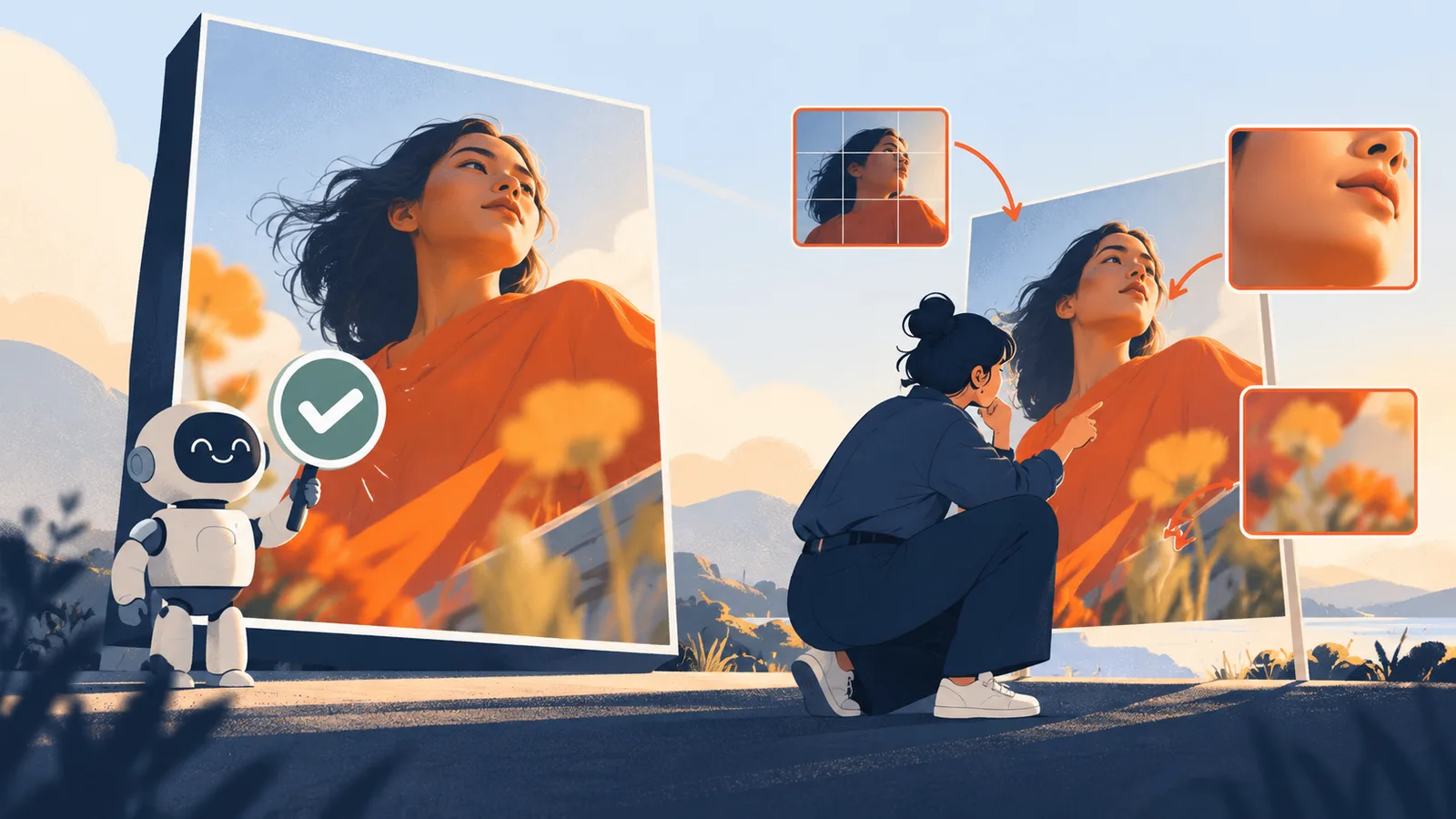
- Spot AI hallucinations: Distinguish between pixels borrowed from a source and pixels hallucinated by AI. Use this to label which parts of your image are photographed and which are generated for clear client transparency.
- Audit image physics: Inspect image physics at 200 percent zoom to identify subtle AI errors. Spot inaccuracies in contact shadows, reflections, and glass edges that automated brand-scoring tools typically miss.
- Build a correction checklist: Turn visual forensics into a professional correction checklist. Use AI to draft these checklists from your manual notes to justify specific retouching changes to stakeholders with evidence.
- Set clear brief boundaries: Record a clear boundary in the brief between required product details and optional generated elements. Ensure critical product accuracy is maintained while allowing for generative flexibility.
- Write professional rationales: Translate visual intentions into short, reviewable rationale notes. Replace subjective phrases like 'it feels wrong' with documented craft decisions that clients can objectively review.
- Create annotated proofs: Label exports with source versions and permission status. Create annotated proofs that document the source of every image element to prevent the use of unreviewable or unapproved sources.
Taught at learn.c-o-u-r-s-e-s.com: lessons that adapt to your level, an AI tutor you can ask anything, quizzes and flashcards, and a certificate when you finish.