A two-hour, hands-on course for attorneys and in-house counsel. Revise your own memo or brief so it states which law applies, who decides and what is still unknown, tied to the sentences it affects.
What you will be able to do
- Name the governing law for each issue: Before you accept an AI-generated section, you'll identify the jurisdiction and source of law it relies on: statute, regulation, case law or contract clause. You'll also catch sections that apply law without saying whose.
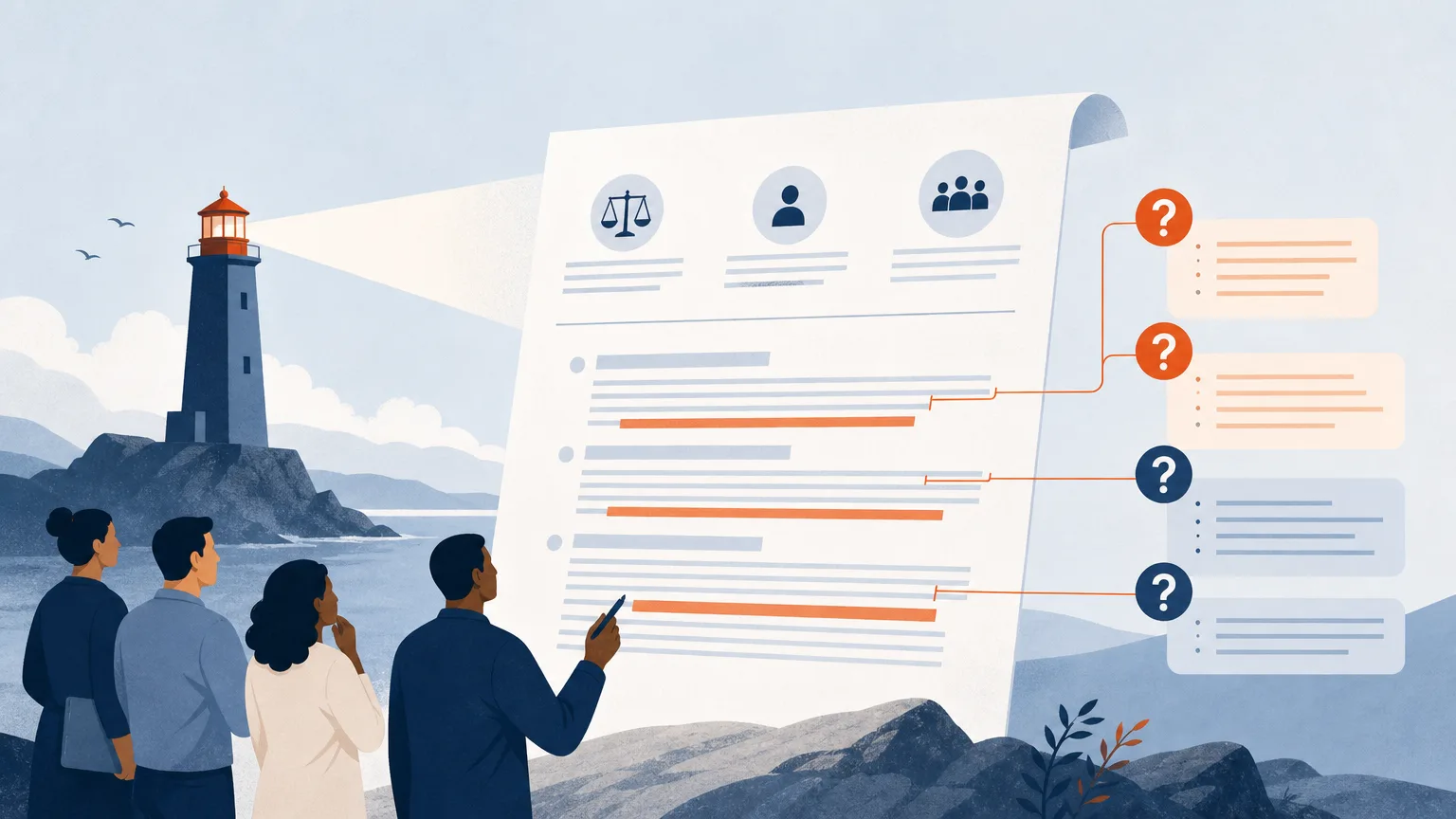
- Put a standing header on every draft: Write a header at the top of each memo or brief that states jurisdiction, intended decision-maker and audience, and keep the decision-maker and the audience distinct.
- Keep open questions linked to the text: List unresolved legal and factual questions in one dedicated section. Each entry gets an ID that ties it to every sentence it affects.
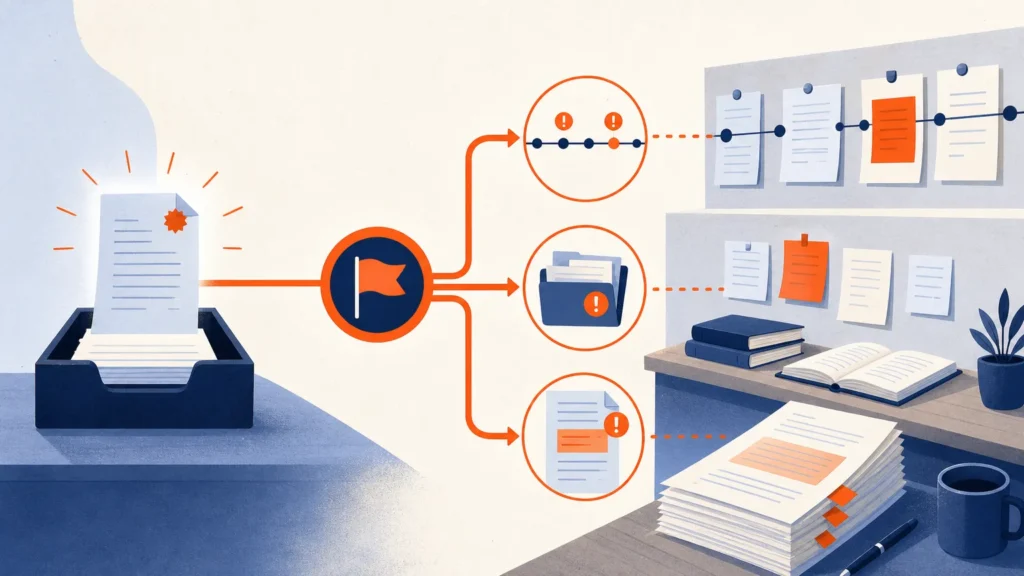
- Flag what the draft hasn't established: Mark allegations, disputed facts and established facts, with a source for each. Flag statements that rest on unverified premises, such as an assumption that the limitations period was tolled.
- Verify every AI-cited authority: For each citation, check in the primary source that the authority exists, says what the draft claims, comes from the right jurisdiction and is still good law. Do this before the draft goes to an attorney for review.
Taught at learn.c-o-u-r-s-e-s.com: lessons that adapt to your level, an AI tutor you can ask anything, quizzes and flashcards, and a certificate when you finish.